Your Hormones Aren't The Problem. Signs That Your Blood Sugar Needs Care
- Lisa Madsen
- Feb 19
- 5 min read

We live in a world that is constantly talking about women's health and hormonal imbalances. Hormones can be affected by many different factors, but it's important to know what's causing the imbalance itself. You may think that hormonal imbalance is the cause of your symptoms like struggles with losing weight, overtiredness or easy exhaustion, and even irritability, but like many of our bodily processes, there is more to it than may meet the eye.
Blood sugar related hormonal imbalances are relatively common and are a growing concern among our society because the system favors quick nutrition over slow, intentional eating. Processed foods, refined carbs, and fast food frequently feel like our only options.
When I mention blood sugar, what is the first word that comes to mind? Did you say diabetes? If you did, you are not wrong, but there is so much more to blood sugar. The level of glucose in your bloodstream controls your metabolism, your hormones, and so much more. In this article, you will learn ways to control your blood sugar so it doesn't control you.
Understanding Blood Sugar and Its Impact
There are 3 primary hormones that are in charge of blood sugar:
Insulin: this hormone is produced in the pancreas and our body uses it to lower our blood sugar every time we eat. If we eat a lot of sugar or simple carbs in one eating, our insulin levels can skyrocket, causing our glucose levels to crash. This can result in feeling shaky, clammy, or even nauseous not too long after eating.
Glucagon: this hormone (also produced in the pancreas) is one I feel doesn't get enough coverage when we talk about nutrition. It raises our blood sugar by triggering the liver to release stored glucose. A lot of influencers favor an intermittent fasting diet where they go through extended periods without eating food in order to try to lose weight. While this can and has worked for several women in the past, it is often not recommended, particularly for those who have an overactive pancreas.
Cortisol: this is the last of our key hormones that play a part in blood sugar, but surely not the least. Cortisol is directly affected by our stress levels. Unlike the hormones above which are produced in the pancreas, cortisol is produced by our adrenal glands. Most, if not all women, exist in a state of fight, flight, or freeze mode without even knowing that we do. It is important to regulate our nervous systems, as cortisol can cause a lot of issues including raised blood sugar and insulin resistance.
Common Symptoms Often Mistaken for Hormonal Issues
When blood sugar levels fluctuate throughout the day, the effects can mimic what many women assume are purely hormonal problems. Understanding these symptoms can help you identify the true root cause.
Weight Loss Struggles
Unstable blood sugar can make it extremely difficult to lose, or even maintain, a healthy weight. When blood glucose spikes frequently, the body releases large amounts of insulin to compensate. Over time, this can lead to insulin resistance, where cells stop responding effectively to insulin. When this happens, the body stores more fat and struggles to use stored fat for energy.
Frequent blood sugar crashes can also trigger intense cravings for quick carbs, leading to cycles of overeating and further metabolic disruption.
Overtiredness and Fatigue
If you feel drained despite getting enough sleep, unstable blood sugar may be to blame. When blood sugar drops rapidly, your body loses its primary fuel source, leaving you feeling sluggish, foggy, and exhausted.
Poor blood sugar regulation can also disrupt sleep quality. Nighttime blood sugar dips may trigger cortisol release, causing restlessness or waking in the early morning hours, leaving you feeling unrefreshed.
Irritability and Mood Swings
Blood sugar spikes and crashes can significantly impact the neurotransmitters responsible for mood regulation. Rapid drops in glucose may trigger anxiety, irritability, shakiness, or feelings of overwhelm.
Because these emotional shifts often coincide with menstrual cycles or periods of stress, they are frequently mistaken for hormonal imbalance when blood sugar instability may be a major contributing factor.
Why Blood Sugar Imbalances Are Often Overlooked
Despite how common blood sugar dysregulation is, it is rarely the first place people look when symptoms arise.
Healthcare conversations and media messaging often focus heavily on hormones as the explanation for fatigue, weight struggles, and mood changes. While hormones do play a crucial role, blood sugar regulation is deeply intertwined with hormonal balance and is sometimes overlooked in routine check-ups.
Additionally, standard check-ups do not always include thorough blood sugar testing beyond basic fasting glucose. Subtle imbalances and insulin resistance can go undetected for months or even years.
Modern dietary habits further complicate the issue. Quick breakfasts, processed snacks, sweetened beverages, and refined carbohydrates have become normalized in daily life, quietly contributing to blood sugar instability without individuals realizing it.
Practical Ways to Regulate Your Blood Sugar
The good news is that blood sugar regulation is highly responsive to lifestyle changes. Small, consistent habits can make a significant difference in the way you feel day-to-day.
Balanced Meals
Combining protein, fiber, and healthy fats helps slow glucose absorption and prevents spikes.
Examples include:
Eggs with sautéed vegetables and avocado
Greek yogurt with nuts and berries (a personal favorite of mine)
Grilled chicken with quinoa and roasted vegetables
Apple slices with almond butter
This balance helps sustain energy and reduce cravings.
Regular Eating Schedule
Long gaps between meals can cause blood sugar drops that trigger overeating and fatigue. Eating at regular intervals supports steady energy levels. Some women benefit from smaller, more frequent meals, while others feel best with three balanced meals and one snack. Listening to your body is key.
Reducing Refined Sugars and Processed Foods
Highly processed foods and sugary snacks cause rapid glucose spikes followed by sharp drops.
Be mindful of hidden sugars in:
salad dressings
flavored yogurts
granola bars
coffee creamers
sauces and condiments
Choosing whole foods whenever possible helps stabilize blood sugar naturally.
Staying Active
Movement improves insulin sensitivity, allowing your cells to use glucose more effectively.
You don’t need intense workouts to see benefits. Consider:
walking after meals
gentle strength training
stretching or yoga
taking movement breaks during the day
Consistency matters more than intensity.
Stress Management
Chronic stress raises cortisol, which can increase blood sugar and contribute to insulin resistance.
Simple practices that calm the nervous system include:
deep breathing exercises
mindfulness or meditation
time outdoors
journaling
prioritizing rest
Even a few minutes a day can help regulate stress hormones.
Monitoring Your Blood Sugar Health
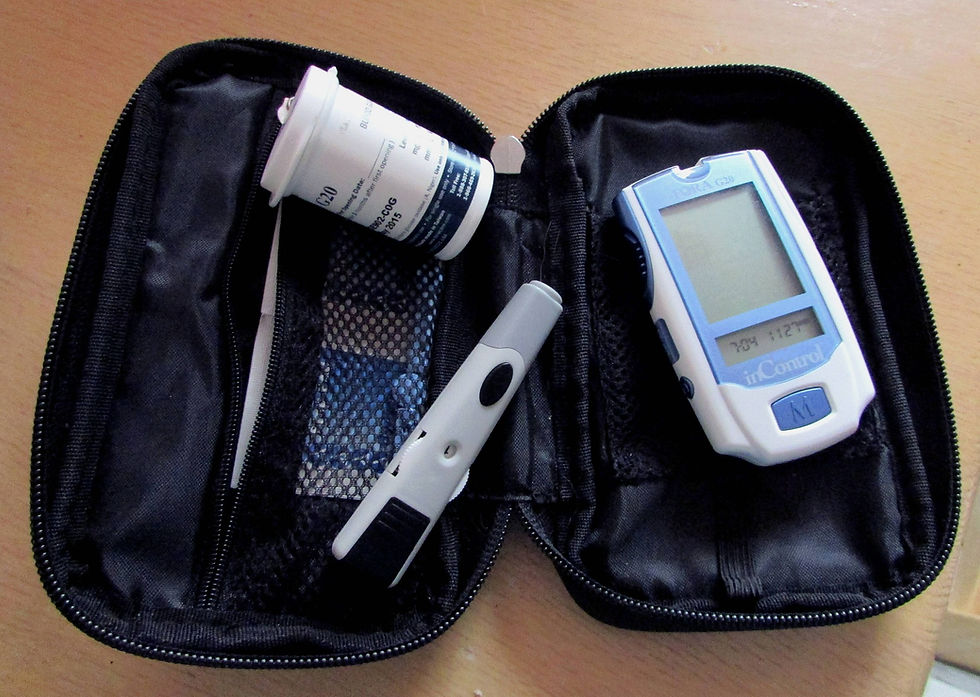
Awareness & intuition are some of the most powerful tools you possess when it comes to your health. Pay attention to patterns such as fatigue after meals, sugar cravings, shakiness, mood changes, or afternoon energy crashes. Keeping a simple symptom diary can help identify triggers and patterns. If symptoms persist, professional testing can provide clarity. Healthcare providers may evaluate fasting glucose, A1C levels, and markers of insulin resistance. Some individuals may benefit from home monitoring tools, such as glucose meters or continuous glucose monitors, to better understand how their body responds to foods, stress, and their daily habits.
Conclusion
Many symptoms commonly blamed on hormones may actually stem from blood sugar instability. Because blood sugar regulation is closely tied to metabolism, mood, energy, and hormone balance, addressing it can unlock significant improvements in how you feel each day.
By understanding how blood sugar functions and making supportive lifestyle changes, you can take meaningful steps toward improved energy, emotional balance, and metabolic health.
Small, intentional shifts can reduce frustration, restore balance, and empower you to feel more at home in your body.

Comments